When a physiotherapist or physician thinks about referring someone, it is usually not about a diagnosis. It is about a pattern: the imaging is clean, the healing is tracking on schedule, and the patient still is not moving the way the injury alone would predict. That gap is usually the moment to think about a referral: what you see in the chart and what you see in the clinic have started to disagree.
A lot of accident recovery starts with an MVA, a collision on a rural road in Saskatchewan or a merge gone wrong on the Deerfoot. The tissue heals on a fairly predictable timeline. What does not always follow that same timeline is a shoulder held differently than the mechanism explains, or a patient who tenses at every four-way stop for reasons that stopped being about the shoulder a while ago.
When the imaging clears and the guarding doesn't
None of this means the patient is exaggerating, or that your treatment plan missed something. It can mean the nervous system is still treating the original event as current information rather than as something that happened and is over. That is a trauma response, not a character trait, and naming it out loud to a patient before it gets filed under noncompliance or a slow healer is most of what a trauma-informed referral is doing. The neck pain research points the same way: early post-traumatic stress symptoms are a known risk factor for a poorer recovery after whiplash.
Physiotherapists and chiropractors are often the first to catch this, because you see a patient weekly or biweekly over months, not once every few weeks the way a family physician does while managing everything else on a chart. You are usually the one who notices when a patient's willingness to load a joint stops matching the joint itself, or when a home exercise program keeps stalling for reasons that have nothing to do with technique.
When to refer a patient for EMDR therapy
There is no formal checklist. These are the patterns that usually prompt the call:
- Pain or guarding that has outlasted the expected tissue healing
- Hypervigilance tied to the mechanism of injury: the intersection, the highway, the exact movement that caused it
- Sleep that has not settled since the incident
- Avoidance of situations connected to the event, beyond what the physical injury on its own requires
- Progress in physiotherapy or rehab that is slower than the injury and the patient's effort would predict
EMDR 2.0 keeps the eight phases and adds more at once
EMDR works from the adaptive information processing model, the idea that under ordinary conditions an experience gets filed into memory in a fairly organised way, and that under threat, some of that material can get stored differently, still attached to the original sensory and physiological state. A reminder later, a similar intersection, a car door closing a certain way, can trigger that original state rather than a memory of it. That is what EMDR aims to work on.
The standard protocol has eight phases and uses bilateral stimulation (eye movements, alternating tones, or tapping) while the patient holds a piece of the memory in mind. The working theory is that taxing working memory during recall makes a memory feel less vivid and less charged. EMDR 2.0 keeps the eight phases and adds more of that load. The research on it is early: the first randomized comparison, in a non-clinical sample, found no difference from standard EMDR in how much vividness and emotionality dropped, though participants got there in fewer sets. It does not replace physiotherapy, medical management, or chiropractic care. It works with the patient's own capacity to process what happened.
The nervous system does not always know the difference between an event that is over and an event it has not finished processing.
There is a longer, plain language walk-through of the process on the site, written for patients rather than colleagues, if you want to see what I send people before a first session.
A referral is usually just an email
There is no formal referral form required, though I am glad to receive one if that is how your clinic operates. Most referrals arrive as a short email or phone call with whatever context helps: the mechanism of injury, the treatment already underway, and what you noticed that prompted the call. The patient books their own free 30-minute consultation, mostly so we can both find out whether this is a good fit before anything formal starts.
Between the referral and the first session
The consultation is followed by an intake assessment if we decide to move forward. With the patient's consent, I am glad to stay in touch with the referring provider about how things are progressing, particularly where it might affect the physical rehab plan, timing of return to activity, or pain management. This is meant to run alongside your treatment, not around it.
Patients who want to see the intake paperwork ahead of time can find it here.
Not every accident recovery needs this, and I would rather spend five minutes on the phone confirming that than accept a referral that is not the right fit. If you are unsure whether a patient's presentation fits, that is a fine place to start the conversation.
Online across both provinces, in person in Calgary by arrangement
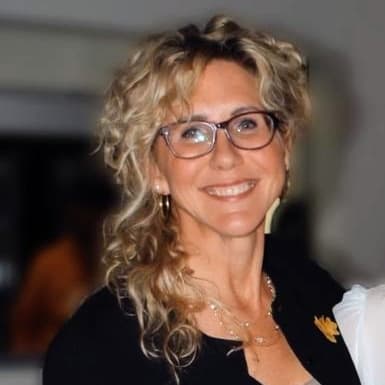
I am a Registered Social Worker and an EMDRIA Certified Therapist, and a member of the Canadian Counselling and Psychotherapy Association (CCPA) and the Canadian Addiction Counsellors Certification Federation (CACCF). My original degree is a BA in Indigenous Studies from the Saskatchewan Indian Federated College (now First Nations University of Canada). It still shapes how I practise more than any certificate that came after it.
Most sessions are online, by secure telehealth, anywhere in Saskatchewan or Alberta. In-person sessions in Calgary are available selectively, by arrangement, and intensives (3 to 7 hours, up to a full day) are held in person. Many extended health plans cover sessions with a Registered Social Worker. I can direct bill to SK NIHB, both AB & SK Blue Cross, and Compsych.
If you have someone on your caseload you are not sure about, or just want to compare notes, I am glad to talk it through before any paperwork happens: 306.735.7228, leanneperrin@perrinmhs.com, or the contact page.